
LA132 Catalyst for Polyurethane and Personal Care Products Ingredients
Achieving the perfect balance between structural integrity and processing efficiency in polyurethane production requires precise catalytic control. LA132 serves as a high-performance catalyst designed to optimize the reaction kinetics of isocyanates and polyols, ensuring consistent cell morphology across various foam densities. For manufacturers focusing on high-end industrial insulation or luxury automotive interiors, the ability to fine-tune curing speeds and resilience is paramount to maintaining product quality and reducing waste during the foaming process.
Whether integrated into rigid panels for energy-efficient refrigeration or flexible seating for the transport sector, this chemical additive enhances the physical properties of the final polymer. By accelerating specific reaction pathways, LA132 allows for a more stable transition from liquid to solid, which is critical for preventing collapse in large-scale molds and ensuring that the resulting materials meet stringent thermal and mechanical specifications required by modern engineering standards.

The Role of LA132 in Engineering Rigid Polyurethane Insulation Foams
In the architecture of rigid polyurethane foams, the primary goal is the creation of a closed-cell structure that minimizes thermal conductivity. LA132 plays a decisive role in this process by regulating the blow and gel reactions. When applied to building insulation panels or industrial cold storage facilities, this catalyst helps maintain a high compressive strength, ensuring the material can withstand external pressures without compromising its insulating void space.
The stability of the insulation performance over long-term operational cycles is a key buyer concern. By utilizing LA132, manufacturers can produce foams that exhibit lower aging rates and more consistent cell sizes. This reduction in thermal leakage directly correlates to lower energy consumption for the end-user, making it a preferred choice for producers of commercial refrigerators and sustainable construction materials.
- Closed-Cell Optimization: Promotes a tighter structure for superior R-values.
- Compressive Strength: Increases the load-bearing capacity of rigid panels.
- Energy Efficiency: Reduces heat transfer in cold-chain logistics.

Enhancing Resilience in Flexible Polyurethane Foams for Automotive and Furniture
Unlike rigid foams, flexible polyurethanes prioritize resilience and the ability to return to their original shape after repeated deformation. LA132 contributes to a more uniform cell distribution, which prevents the formation of "hot spots" or structural weak points within the foam. This is particularly critical for automotive seating and furniture upholstery, where durability and user comfort are the primary performance metrics.
The application of LA132 ensures that the foam can adapt to repeated use without permanent sagging. By controlling the polymer cross-linking density, the catalyst enables a softer yet more durable tactile experience. Engineering teams often select this additive to ensure that the foam maintains its shape and support characteristics even under the extreme temperature fluctuations typical of vehicle interiors.
Furthermore, the consistency provided by LA132 reduces the occurrence of voids or air pockets, which can lead to premature failure in high-stress seating areas. This reliability allows OEMs to extend product warranty periods and improve overall consumer satisfaction.
Accelerating Curing in Polyurethane Coatings and Industrial Adhesives
In the realm of coatings and adhesives, production throughput is often limited by curing times. LA132 functions as a curing accelerator, significantly reducing the window between application and full polymerization. For industrial coatings, this means shorter drying times and faster turnover in paint shops, which directly improves overall manufacturing efficiency and reduces the risk of surface contamination during the wet phase.
When used in adhesives, LA132 promotes a more aggressive and reliable bond between diverse substrates. Whether the application involves bonding metals to plastics or reinforcing wood joints, the catalyst ensures a deep, structural integration. The resulting joints are not only durable but also exhibit enhanced chemical resistance, making them suitable for harsh environments such as chemical plants or marine applications.
The precision of the LA132-catalyzed reaction prevents the shrinkage often associated with rapid curing, ensuring that the dimensional stability of the bonded components is maintained. This makes it an essential component for precision engineering where tolerances are measured in microns.
Technical Performance and Application Suitability Matrix
| Application Area | Key Performance Driver | LA132 Impact | Suitability Level |
|---|---|---|---|
| Rigid Insulation | Thermal Conductivity | Closed-cell structure | High |
| Automotive Seating | Compression Set | Uniform cell morphology | High |
| Industrial Coatings | Curing Velocity | Reduced drying time | Medium-High |
| Structural Adhesives | Bond Strength | Enhanced cross-linking | High |
| Furniture Foam | Resilience | Shape retention | High |
Quality Control and Manufacturing Standards for Chemical Catalysts
The effectiveness of a polyurethane catalyst is heavily dependent on its purity and batch-to-batch consistency. Hebei Hejia Pharmaceutical Technology Group Co., Ltd. employs a rigorous quality management system to ensure that LA132 meets the highest purity standards. Operating under ISO 9001 and ISO 14001 certifications, the company integrates advanced testing systems to monitor every stage of the chemical synthesis process.
For procurement managers, the risk of catalyst contamination can lead to entire batches of foam being scrapped due to irregular curing or structural collapse. By utilizing a vertically integrated industrial chain, Hejia Pharma minimizes external variability. The use of current GMP-certified facilities ensures that the additive is produced in a controlled environment, providing manufacturers with the confidence that their formulations will remain stable across different production runs.
Additionally, the company's commitment to "Green Chemical" practices means that the production of LA132 focuses on reducing hazardous by-products. This alignment with global environmental standards makes it an ideal partner for companies aiming to improve their sustainability profiles without sacrificing technical performance.
Procurement Considerations and Packaging for Industrial Scale
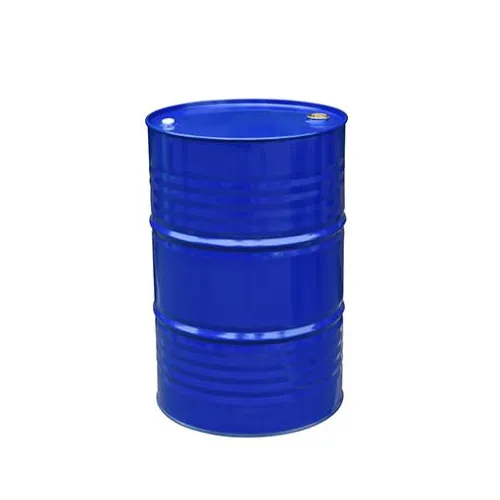
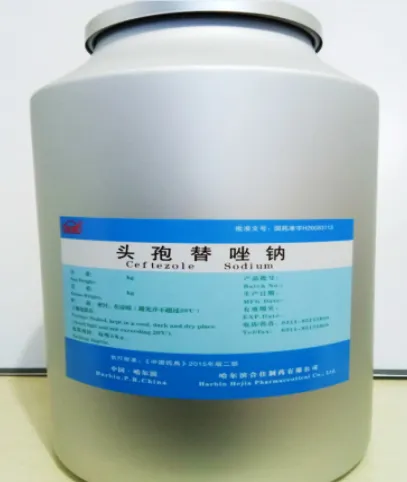
Selecting a supplier for specialized chemical intermediates requires an evaluation of both technical capability and logistics reliability. When sourcing LA132, buyers should consider the impact of packaging on product shelf life and ease of integration into automated dosing systems. Hejia Pharma provides flexible packaging options, including drums and IBC totes, designed to prevent moisture ingress and ensure the chemical remains stable during transit and storage.
From a procurement perspective, the total cost of ownership is influenced not only by the price per kilogram but by the efficiency gains achieved through reduced curing times and lower scrap rates. A high-purity catalyst allows for lower dosing levels while achieving the same or better results, effectively reducing the overall material cost in the final product formulation.
Potential partners are encouraged to request technical data sheets and samples to validate the catalyst's performance within their specific polyol/isocyanate system. This collaborative approach ensures that the catalyst concentration is optimized for the specific density and hardness required by the end application, whether it be for rigid insulation or flexible upholstery.
Technical Frequently Asked Questions
What is the primary function of LA132 in polyurethane production?
LA132 acts as a catalyst that accelerates the chemical reaction between isocyanates and polyols, specifically optimizing the balance between the blowing and gelling reactions to ensure a consistent cell structure.
How does LA132 affect the thermal properties of rigid foams?
It promotes the formation of a closed-cell structure, which significantly reduces thermal conductivity and enhances the insulation value (R-value) of the material.
Can LA132 be used in both rigid and flexible foam applications?
Yes, it is versatile enough for both. In rigid foams, it focuses on compressive strength and insulation, while in flexible foams, it enhances resilience and uniform cell distribution.
How does this catalyst improve the efficiency of polyurethane coatings?
LA132 accelerates the curing process, which reduces the total drying time and allows for faster production throughput in industrial coating lines.
What packaging options are available for bulk procurement?
To ensure product stability and ease of transport, LA132 is typically supplied in industrial drums or IBC totes.
Does LA132 impact the chemical resistance of the final adhesive?
Yes, by promoting a more complete and dense cross-linking network, it can enhance the overall chemical and environmental resistance of polyurethane-based adhesives.
Technical References
- ISO 9001: Quality Management Systems Standards
- Polyurethane Catalyst Kinetics and Polymerization Research
- Thermal Conductivity Standards for Rigid Polymers
- Chemical Property Database for Fine Chemical Intermediates
For manufacturers seeking to optimize their polyurethane formulations with high-purity catalysts, choosing a supplier with certified quality controls and a transparent industrial chain is essential for long-term success.
Industry Insights and Related Developments




 English
 Arabic
 Bengali
 Dutch
 French
 German
 Hindi
 Indonesian
 Italian
 Japanese
 Korean
 Persian
 Polish
 Portuguese
 Russian
 Spanish
 Swedish
 Thai
 Turkish
 Vietnamese