
High Quality Caprylyl Capryl Glucoside Cosmetic Bases Wholesale
Formulating high-performance personal care products requires surfactants that balance effective cleansing with dermatological safety. Caprylyl/Capryl Glucoside, a prominent member of the alkyl polyglucoside (APG) family, has emerged as a critical component for brands transitioning toward clean-label and organic standards. Synthesized from renewable fatty alcohols and glucose, this non-ionic surfactant eliminates the need for sulfates and PEGs, making it indispensable for sensitive skin applications.
For procurement managers and chemists seeking cosmetic bases wholesale solutions, the shift toward biodegradable, plant-derived ingredients is no longer optional but a market requirement. Caprylyl/Capryl Glucoside provides the necessary versatility to act as both a primary cleanser and a high-efficiency solubilizer, ensuring that active ingredients and essential oils remain stable without compromising the product's gentle profile.

The Chemistry of Alkyl Polyglucosides and Caprylyl/Capryl Glucoside Performance
Caprylyl/Capryl Glucoside is engineered from C8–C10 chain fatty alcohols and glucose, creating a molecular structure that is inherently mild and highly biodegradable. Unlike traditional anionic surfactants, the non-ionic nature of APGs reduces the risk of protein denaturation in the skin's stratum corneum, which significantly lowers the irritation potential. This makes it an ideal base for formulations targeting allergy-prone or extremely sensitive skin types.
From a technical standpoint, its high purity and renewable origin allow it to integrate seamlessly into a variety of systems. It provides an excellent balance of hydrophobicity and hydrophilicity, allowing for the effective removal of lipids and contaminants while maintaining the skin's natural moisture barrier. The absence of synthetic irritants aligns with the global regulatory push toward "Green Chemistry," ensuring compliance with international organic certifications.
- Renewable Sourcing: Derived from plant-based glucose and fatty alcohols.
- Non-Ionic Profile: Compatible with both cationic and anionic surfactants.
- Eco-Friendly: Fully biodegradable and free from PEGs or sulfates.
- Skin Compatibility: Exceptional dermatological tolerance for facial and body care.

Versatile Application Scenarios in Modern Personal Care Formulations
The utility of Caprylyl/Capryl Glucoside extends across multiple product categories due to its dual function as a cleanser and a solubilizer. In facial cleansing waters and micellar waters, it acts as the primary agent that captures impurities without stripping the skin of essential oils. Its ability to stabilize essential oils and fragrance components makes it a preferred choice for toners where transparency and clarity are required.
In more complex formulations, such as shampoos and body washes, it is often used to modulate the irritation profile of harsher surfactants or as a standalone primary surfactant for "baby-safe" product lines. Because it can be introduced during the water phase or at the final stage of production, formulators have significant flexibility in optimizing the texture and viscosity of the final product.
Key application areas include: Micellar waters for gentle makeup removal, facial cleansers for sensitive skin, and shampoos focusing on scalp health. By reducing the overall irritation index of a formula, this surfactant allows for the inclusion of potent active ingredients that might otherwise be too irritating when paired with traditional bases.
Technical Implementation and Formulation Guidelines
Achieving the optimal balance in a formulation requires precise usage levels. Typically, Caprylyl/Capryl Glucoside is employed at concentrations ranging from 1% to 10%. When used as a solubilizer for essential oils, lower concentrations are usually sufficient to maintain a clear solution. Conversely, when functioning as the main cleansing agent in a sulfate-free body wash, the concentration is increased to ensure adequate foaming and detergency.
Compatibility is a major advantage of this surfactant. It works harmoniously with most cosmetic actives and other mild surfactants, such as Coco-Glucoside or Decyl Glucoside. To maintain long-term stability, it is recommended to store the material in tightly sealed containers in a cool, dry environment, protected from direct sunlight and moisture. This prevents any degradation of the glucose-based chains and ensures consistent batch-to-batch performance.
For industrial-scale production, the surfactant's stability during the heating and cooling cycles of emulsification is a critical factor. Its robustness allows for a wide range of processing temperatures, though adding it at the final stage is often preferred for solubilization tasks to avoid unnecessary thermal stress on sensitive fragrance oils.
Comparison of APG-Based Surfactants for Formulators
| Surfactant Type | Chain Length | Primary Function | Skin Mildness |
|---|---|---|---|
| Caprylyl/Capryl Glucoside | C8–C10 | Solubilizer & Gentle Cleanser | Excellent |
| Decyl Glucoside | C10 | Primary Cleansing Agent | Very High |
| Coco-Glucoside | C8–C16 | Foam Stabilizer & Cleanser | High |
| Lauryl Glucoside | C12–C14 | Thickener & Cleanser | High |
| SLES (Reference) | C12 | High-Foam Detergency | Moderate/Low |
Quality Assurance and Industrial Supply Chain Standards
When sourcing chemical intermediates at scale, quality consistency is the highest priority for B2B buyers. Hebei Hejia Pharmaceutical Technology Group Co., Ltd. leverages a vertically integrated industrial chain to ensure that raw materials meet stringent purity standards. With ISO 9001, ISO 14001, and OHSAS 18001 certifications, the production process is monitored through advanced testing systems to prevent contaminants that could compromise the stability of a cosmetic emulsion.
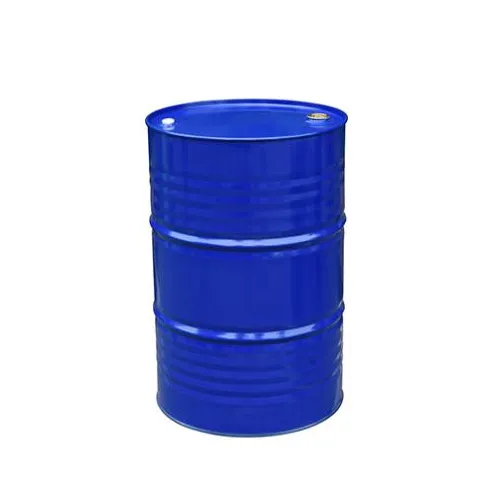
The transition to "Green Chemical" manufacturing is central to the production of APGs. By utilizing fully biodegradable surfactants, manufacturers reduce the environmental footprint of the end-user products. This commitment to sustainability is mirrored in the packaging options, which include 25 kg plastic drums, 200 kg HDPE barrels, and 1000 kg IBC containers, all designed to comply with international transport and safety regulations for bulk chemical shipping.
Reliability in the supply chain is further bolstered by robust R&D capabilities. The Hejia Research Institute focuses on optimizing synthetic routes to improve yield and purity, ensuring that wholesale buyers receive a product that minimizes formulation errors and maximizes the shelf-life of the final personal care product.
Future Trends in Sustainable Surfactant Procurement
The personal care industry is moving rapidly toward "Waterless Beauty" and "Concentrated Formulations," both of which demand surfactants with high solubility and stability. Caprylyl/Capryl Glucoside is well-positioned for this trend due to its efficiency as a solubilizer in low-water environments. As consumers demand more transparency regarding ingredient origins, the plant-based, biodegradable nature of APGs provides a competitive advantage for brands aiming for a "Clean Beauty" certification.
Furthermore, the integration of AI-driven formulation tools is allowing chemists to precisely predict the synergy between different APGs. We expect to see a rise in blended surfactant bases that combine the rapid rinsing of Caprylyl Glucoside with the rich foam of Lauryl Glucoside. This modular approach to surfactant selection allows for highly customized user experiences, from "non-foaming" gentle cleansers to "luxurious" organic shampoos.
Ultimately, the procurement strategy for cosmetic bases wholesale is shifting from a cost-per-kg model to a value-per-performance model. Buyers are now prioritizing suppliers who can provide comprehensive technical documentation, purity certificates, and sustainable manufacturing proofs, ensuring that the final product is safe for the consumer and the planet.
Technical Frequently Asked Questions
What is the primary difference between Caprylyl/Capryl Glucoside and other APGs?
The primary difference lies in the carbon chain length (C8–C10). This shorter chain makes it a superior solubilizer for essential oils and a milder cleanser compared to longer-chain APGs like Lauryl Glucoside, which are more suited for thickening and high-foam applications.
Can this surfactant be used in 100% sulfate-free formulations?
Yes, it is specifically designed for sulfate-free and PEG-free product lines. It can function as the primary surfactant in gentle cleansers or as a secondary surfactant to improve the mildness of other organic bases.
What is the recommended usage level for a micellar water formulation?
For micellar waters, the typical usage level ranges from 1% to 5%. At this concentration, it effectively removes makeup and impurities while remaining gentle enough for the delicate skin around the eyes.
Is Caprylyl/Capryl Glucoside compatible with natural preservatives?
Yes, it is compatible with a wide range of natural and synthetic preservatives. However, because it is a non-ionic surfactant, it does not interfere with the activity of most preservative systems, ensuring the product remains microbiologically stable.
How should this product be stored to ensure maximum shelf life?
It should be stored in a tightly sealed container in a cool, dry place, away from direct sunlight and moisture. Proper storage prevents the hydrolysis of the glucoside bonds and maintains the purity of the surfactant.
Does this ingredient meet organic certification standards?
Since it is synthesized from renewable glucose and plant-based fatty alcohols and is free from synthetic irritants, it is highly suitable for organic and natural certified product lines, provided the specific source of raw materials meets the certifying body's standards.
Technical References and Industry Standards
- Study on the mildness of Alkyl Polyglucosides in skin care
- ISO 9001 Quality Management Systems Standards
- Principles of Green Chemistry in Surfactant Synthesis
- Trends in Sulfate-Free Cosmetic Formulation
For companies looking to enhance their product lines with high-purity, sustainable surfactants, selecting a supplier with integrated manufacturing and rigorous quality control is essential. Caprylyl/Capryl Glucoside offers a scientifically proven path to achieving both efficacy and mildness in modern personal care.
Related Technical Insights





 English
 Arabic
 Bengali
 Dutch
 French
 German
 Hindi
 Indonesian
 Italian
 Japanese
 Korean
 Persian
 Polish
 Portuguese
 Russian
 Spanish
 Swedish
 Thai
 Turkish
 Vietnamese